
Building a practical meal plan for Indonesian eating
A plan is only worth the paper it's written on if you can follow it on a normal Tuesday. We build around the food your household already eats, then adjust proportions and timing to fit your goals.
The balanced plate, in plain terms
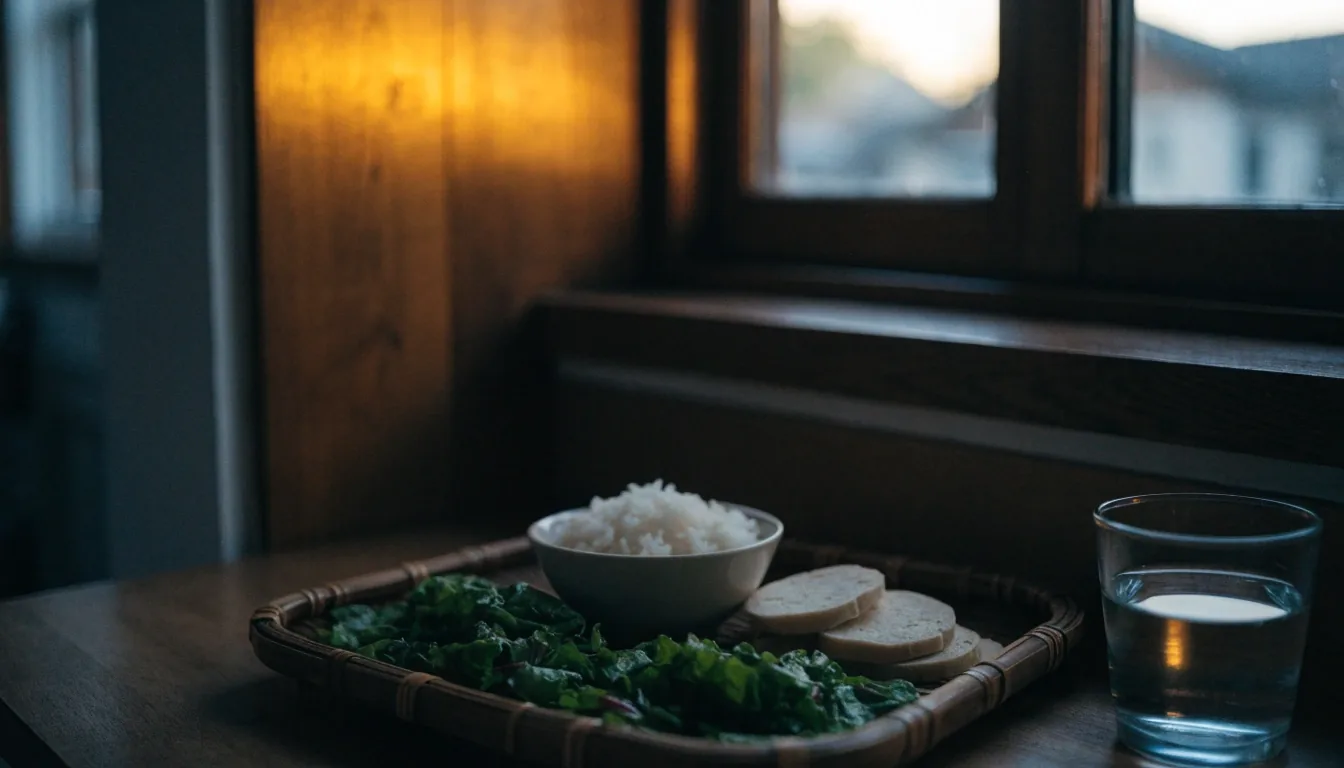
One way to think about a meal is by proportions. A balanced plate gives a good share to vegetables, a reasonable portion to staples like rice, and a serving of protein such as tempeh, tofu, fish, or eggs. The exact split depends on your needs, which is where a dietitian helps.
You don't need to measure every meal. Understanding the pattern is enough to guide most choices, whether you cook at home, buy lunch near the office, or eat at a family gathering.
Start with what you already eat
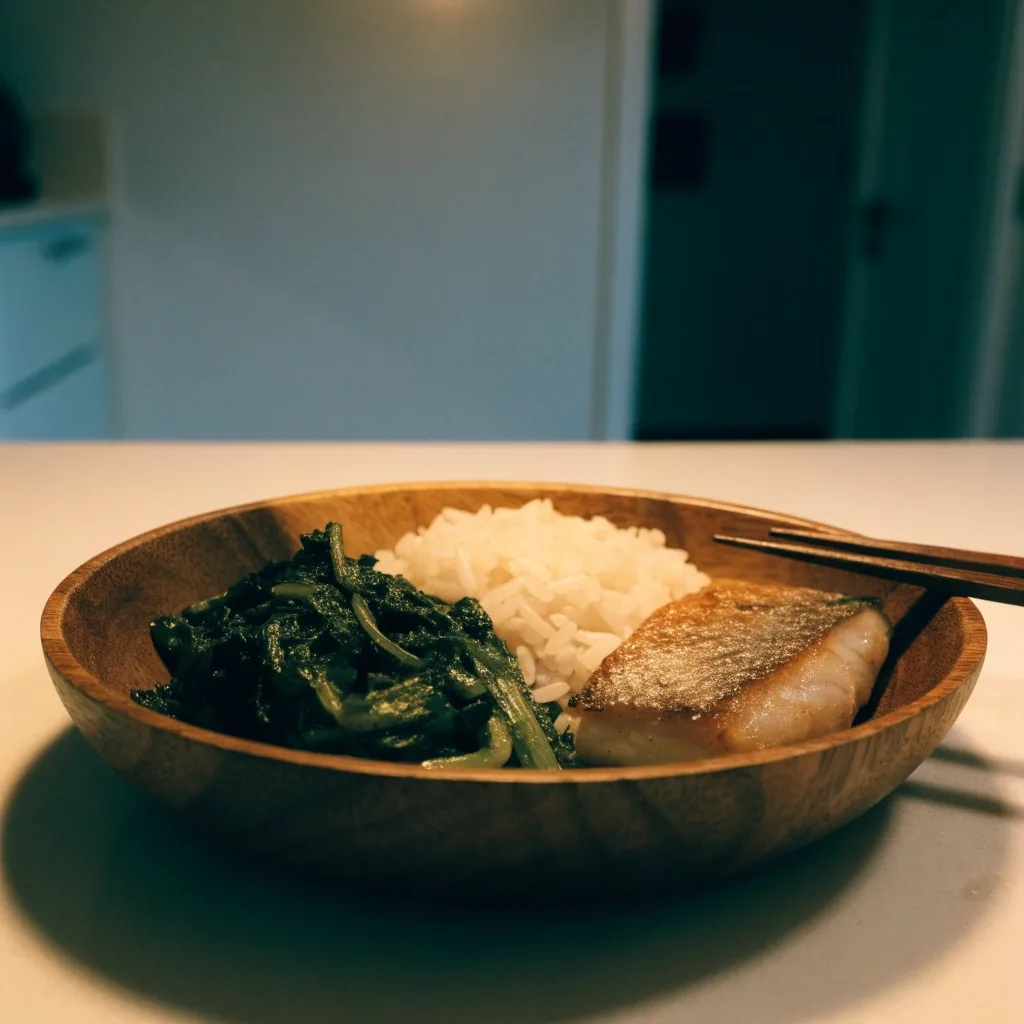
We don't hand you a foreign menu. We look at your current dishes and adjust them: more vegetables in the stir-fry, a different snack in the afternoon, a slightly smaller portion of rice at dinner if that suits your goal. Small changes to familiar food are easier to keep than a new cuisine.
The plan should feel like your kitchen, improved. If your household cooks nasi goreng on Sundays and buys bubur ayam on the way to work, those habits stay in the plan — we shift what goes into them and how much, step by step.
Portions without the spreadsheet
Portion guidance doesn't have to mean weighing everything. We work with simple references, like how a serving of protein compares to your palm, or how vegetables should fill a good part of the plate. These rough guides travel with you to a warung or a family gathering.
Timing and the daily rhythm
When you eat can matter as much as what. Skipping breakfast and eating late can leave you hungry at the wrong moments. We look at your meal times and adjust them to fit your day, whether you start early or work late.
Snacks that fit real life
Snacks are where many plans fall apart, so we plan for them. That means options you can buy near the office or prepare in a few minutes at home, from fruit to a simple protein snack.

A familiar dish, adjusted in the pan — not replaced with a new menu
A week of eating, season by season
Most households in Jakarta cycle through the same dozen or so dishes. Rather than rebuild that list, we adjust the proportions across the week and note where a little more vegetable, a different protein, or a lighter evening meal would help. The result is still your food, at a slightly different balance.
Plans also shift with the season. Market greens change, prices move, and fasting months or family events come around. A personalized meal plan written for October may look different by February, and that's expected.
Morning
A real breakfast on most days, with something you actually feel like eating — bubur, eggs, fruit, or a small rice portion if your morning calls for it.
Midday
A plate with a clear vegetable share, a normal rice portion, and a protein such as tempeh, tofu, fish, or eggs. Lunch near the office is fine — we plan what to order.
Between
One or two snacks held on purpose, so hunger doesn't make the next decision for you — usually something you can buy nearby or prepare in a few minutes.
Evening
The shared family meal, with one base dish everyone eats and a note on where a larger or smaller portion fits the person it's for.
Adjusting the family table
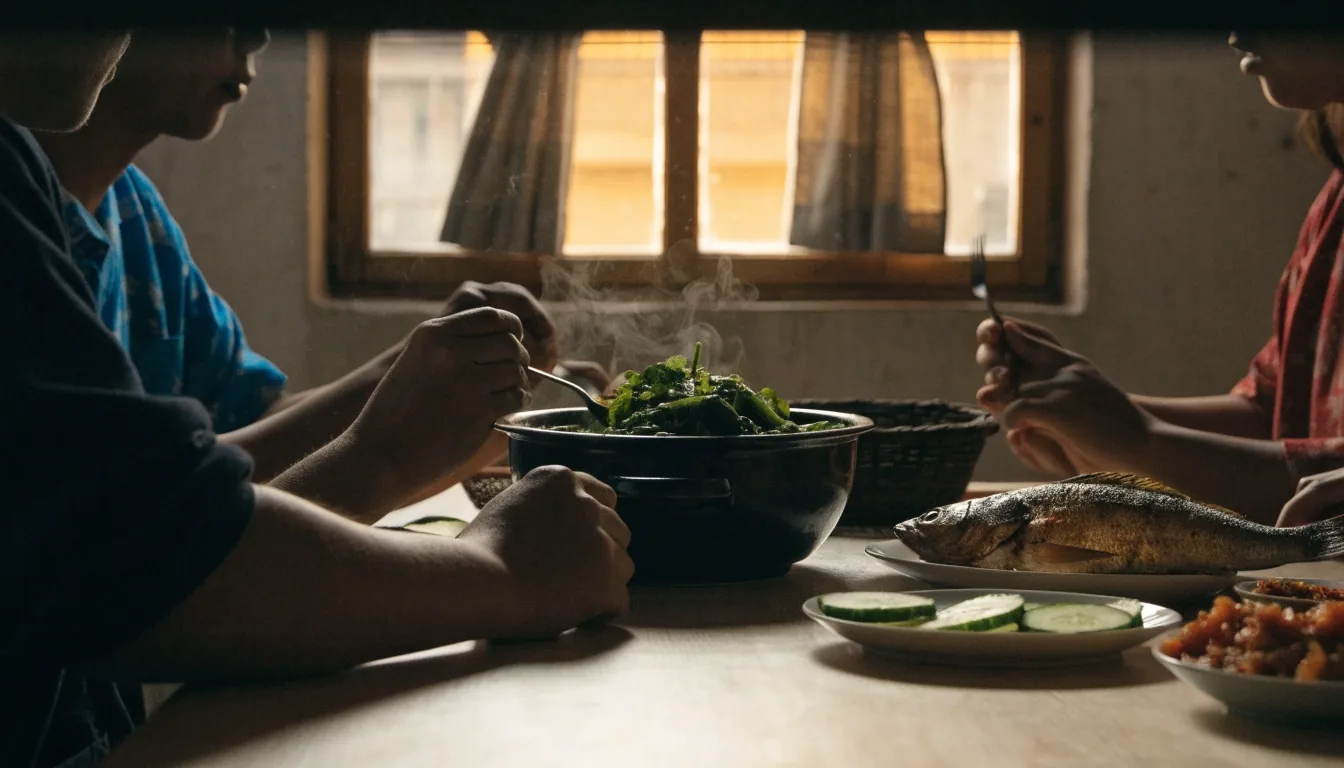
When you're cooking for a household, one meal has to serve several people. We build a base dish everyone can eat, then note small adjustments, like extra vegetables for one person or a larger portion for another. This keeps the cooking manageable, and it means no one feels singled out at dinner.
It also cuts down on separate cooking. A dish that stretches across the table — a pot of sayur, a shared plate of grilled fish, a bowl of rice — is usually easier to keep than a menu cooked just for one person.
One base dish
A single pot or plate that everyone at the table eats, chosen from dishes your household already enjoys cooking.
Small adjustments
Notes we add beside the dish — an extra serving of vegetables for one, a portion edge for another — spelled out so the cook doesn't have to guess.
Written to share
The plan reads as a set of dishes and portions, not personal rules — so anyone in the family can pick it up and cook from it.
Reading labels and choosing products
Packaged food is part of most shopping trips, so label reading is a useful skill. We show you what to look at on a package and how to compare two similar products quickly. You don't need to memorize numbers. A few simple checks cover most of what matters day to day, like the size of the serving the label describes and which of the two items has the shorter ingredient list.
We also walk through the aisle you actually stand in — the shelf of drinks, the wall of instant noodles, the snack rack by the till — so the advice is usable the next time you shop rather than only during a consultation.
Keeping the plan alive over time
A plan written once will drift as your routine changes. That's expected. The monitoring and evaluation step exists so your dietitian can adjust as life shifts, whether that's a new job, a growing child, or a move. Treat the plan as a living document, not a fixed rule. Follow-up keeps it current, and it's where most of the useful small adjustments actually happen.

What follow-up covers
- A look at what changed in your week since the last plan was written.
- Adjustments to portions and dish choices, keeping the food you already cook.
- Notes on which parts of the plan held, and which quietly fell away.
Building your own judgment
The real aim is that you no longer need the document. As you learn how balance works, how portions scale, and how to adjust for your week, you build judgment you can apply anywhere.
That knowledge doesn't expire when a plan does. It's the part of the service that stays with you long after the last follow-up — knowing what to put on the plate when no one has written it down for you, whether you're cooking at home, ordering at a warung, or standing in a supermarket aisle on a Tuesday night.
It also means a plan that stalls isn't a failure. If a week goes sideways, you adjust it yourself, and the dietitian is there to step back in when the routine shifts again.
Common questions about meal planning
Short answers to the things people ask before they start. If yours isn't here, the consultation is the place to raise it.
Do I have to give up rice?
No. Rice is a staple in most Indonesian households, and the plan is built around it. What we look at is the portion on the plate and what sits beside it — the vegetable share and the protein.
How long does a plan usually stay useful?
A plan tends to hold for a few weeks before a routine changes enough to need a fresh look. Follow-up is where that adjustment happens, and it's also where you can ask for a lighter or heavier version of what you started with.
Can the plan work for the whole family?
Yes, and it often works better that way. We build around one base dish everyone eats, then add small adjustment notes so different people at the table get a portion that fits them.
Do I need to weigh my food?
No. We use simple references — a palm-sized serving of protein, a good share of the plate given to vegetables — so the guidance still works when you eat out or share a meal at someone else's table.
Where to go next
If the guide answers your question, the next step is a consultation and a plan written for your kitchen, your hours, and the people you cook for. Registration happens on the contact page, and a dietitian will follow up with the details.
Our consultants are available Monday to Friday, 9:00 AM to 6:00 PM. You can reach the office at +62 21 458 4432 or write to [email protected] with any question before you register.
Dinner at home, built around one base dish everyone shares